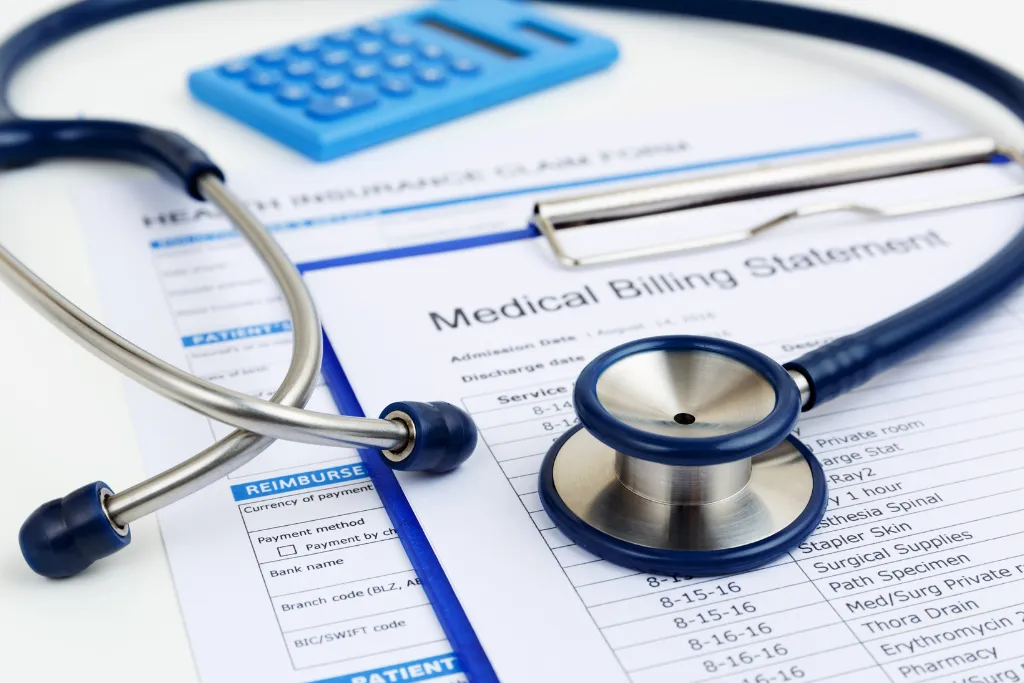
Accurate medical translation supports better care, clearer consent and safer outcomes – especially as health systems become more multilingual and globally connected. For healthcare providers, hospitals, clinical trial sponsors, medical device manufacturers and healthcare organizations, even a small mistranslation in medical documents or patient records can lead to misdiagnosis, treatment delays, regulatory penalties and damaged patient trust. This article explains practical best practices to reduce risk, ensure compliance and protect patient safety – while showing how we provide a complete solution for medical translation services.
Why medical translation matters for healthcare providers
Healthcare providers increasingly serve multilingual populations. Accurate medical translation of patient records, discharge summaries, medication instructions and consent forms directly impacts health outcomes and patient safety. When document translation and interpretation services are integrated into clinical workflows, medical professionals can rely on consistent medical terminology and clear communication, enabling better treatment decisions and improved patient experience.
Certified medical translation and certified translations – standards for official use
Certain documents – for example, immigration medicals, official clinical trial documents and certified medical reports – require certified medical translation. Certified translations are accompanied by a signed statement attesting to accuracy and fidelity to the source language. Lingual Consultancy provides certified medical translation for official use, ensuring that documents such as informed consent forms, patient records and legal medical reports meet strict standards for accuracy and regulatory compliance.
Document translation: from medical records to informed consent forms
Document translation in healthcare covers a very wide range of medical texts: medical records, laboratory reports, informed consent forms, patient education materials, medical device manuals and regulatory submissions. Lingual Consultancy’s medical document translation workflows include glossary creation, translation memory and terminology management to guarantee consistent use of medical terms across all documents. This reduces turnaround time, saves cost and preserves translation accuracy when the same medical terms recur across documents and languages.
Interpretation services: supporting face-to-face and telehealth encounters
Translation services and interpretation services serve different purposes: document translation handles written medical documents, while interpretation services support live, spoken communication. We provide qualified interpreters for face-to-face, phone and video encounters, and HIPAA-compliant remote interpretation for telehealth. Using trained medical interpreters reduces misunderstandings during consultations, improves informed consent and helps healthcare professionals deliver patient-centered care.
Clinical trial translation: strict standards for accuracy
Clinical trial documents – protocols, case report forms, informed consent forms and regulatory communications – demand exceptional precision. Errors in clinical trial translation can jeopardize data integrity and regulatory approval. Our team includes specialist translators who understand clinical trial terminology and regulatory requirements, and who work with clinical teams to deliver translations that preserve meaning, comply with local regulations and support robust trial governance.
Health literacy and patient education materials: improving health outcomes
Health literacy affects a patient’s ability to follow treatment instructions and engage with healthcare systems. Translating patient education materials and discharge instructions into plain language across multiple languages helps improve adherence and health outcomes. Lingual Consultancy specializes in translating patient-facing content with a focus on clear communication and cultural appropriateness so that translated materials are readable, actionable and truly useful for patients.
Machine translation and Google Translate: when to use and when to avoid
Machine translation and tools like Google Translate provide quick access to content but carry significant risk in clinical contexts. Machine translation can be useful for internal summary translation or to save time on non-clinical texts, but it should not be used for final versions of medical documents, consent forms or any text that affects care. We use controlled machine translation workflows – combining translation memory and post-editing by certified medical translators – to balance speed and quality while maintaining translation accuracy for appropriate content.
HIPAA compliance, data security and clear communication
Protected health information requires strict confidentiality. HIPAA compliance and data security are non-negotiable in any medical translation workflow. Lingual Consultancy maintains HIPAA-compliant processes, secure file transfer, encrypted storage and strict access controls to protect patient records and other sensitive documents. Clear communication with healthcare professionals and documentation of the translation process also supports legal and regulatory audits.
Best-practice medical translation workflow
A robust medical translation workflow minimizes risk and delivers consistent quality. Best practices include:
- Scope and source review: identify document type, target audience and regulatory needs.
- Glossary & terminology: create and maintain medical terminology lists and translation memory.
- Certified translators: use translators with medical and subject-matter expertise.
- Medical review: involve clinicians or medical editors for QA and validation.
- Machine translation + post-editing: apply only where appropriate and always with human review.
- Secure transfer & HIPAA-compliant storage: protect PHI at every step.
- Final certification and version control: provide certified translations and audit trails.
Our medical translation services implement this workflow end-to-end, offering a combination of specialized expertise, translation memory to save time and cost, and strict standards that protect patient safety and regulatory compliance.
Practical tips for healthcare organizations
- Prioritize documents: classify documents for certified translations (e.g., informed consent forms, legal reports) versus internal-use translations.
- Standardize terminology: invest in a shared glossary across departments and vendors.
- Train staff: ensure doctors, nurses and admin staff know when to use interpretation services rather than relying on ad hoc bilingual staff.
- Avoid Google Translate for clinical content: use professional translation services for any document affecting patient care.
- Integrate translation early: bring translation into the project plan for clinical trials, patient education campaigns and software localization for healthcare apps.
Conclusion
Reducing risk and ensuring compliance in medical translation requires technical skill, medical knowledge and secure, repeatable processes. Lingual Consultancy offers a complete solution: certified medical translation, document translation, interpretation services, HIPAA-compliant workflows, clinical trial expertise and culturally sensitive patient education translation. If your organization needs accurate, timely and compliant translation services that protect patients and support clinical outcomes, our specialized team is ready to help. Visit our website for a free quote or drop your requirements/queries at info@lingualconsultancy.com.
Frequently Asked Questions (FAQs)
1. What is certified medical translation and when do I need it?
Certified medical translation is an official translation accompanied by a written statement confirming accuracy and the translator’s qualifications. Use certified translations for legal submissions, immigration medicals, regulatory documents and any official use. Lingual Consultancy provides certified translations for medical reports, informed consent forms and other documents requiring formal attestation.
2. Can Google Translate or machine translation be used for medical records?
No – Google Translate and other free machine translation tools should not be relied upon for medical records or clinical documents because of translation accuracy risks. Lingual Consultancy can provide a controlled machine translation + post-editing process for non-clinical texts, but clinical documents and patient records should always be handled by qualified human translators.
3. How does Lingual Consultancy ensure HIPAA compliance and data security?
Lingual Consultancy operates HIPAA-compliant workflows, secure file transfer protocols, encrypted storage and strict access controls to protect protected health information. Our processes include audit trails and confidentiality agreements with translators and reviewers to ensure strict confidentiality.
4. Do you offer interpretation services for telehealth?
Yes, we provide professional interpretation services for in-person, phone and video/telehealth encounters. Our interpreters are trained in medical terminology and patient communication to support clinicians and improve patient understanding during consultations.
5. Can Lingual Consultancy translate clinical trial documents and informed consent forms?
Absolutely. Lingual Consultancy specializes in clinical trial translation and translates protocols, case report forms and informed consent forms with rigorous QA and medical reviewer involvement to meet regulatory compliance and protect study integrity.
6. How does Lingual Consultancy handle specialized medical terminology and consistency across documents?
Lingual Consultancy builds and maintains glossaries and translation memory for each client, ensuring consistent use of medical terms across all documents. This approach improves translation accuracy, saves time and preserves terminology consistency across medical texts and patient materials.
7. How long will it take to translate medical documents, and how much does it cost?
Turnaround time and cost depend on the document type, required certifications, language pair and complexity. Lingual Consultancy offers tailored timelines and quotes after reviewing the documents and scope. Contact us for a fast assessment and a compliance-focused translation plan.

